A Place for Cockapoo Lovers
Cockapoos bring together the best of two wonderful breeds: clever, playful, affectionate, and always ready to make life more joyful. We’re your cheerful hub for trusted tips, helpful guides, and thoughtfully chosen products to help your Cockapoo thrive—from puppyhood through every happy adventure.
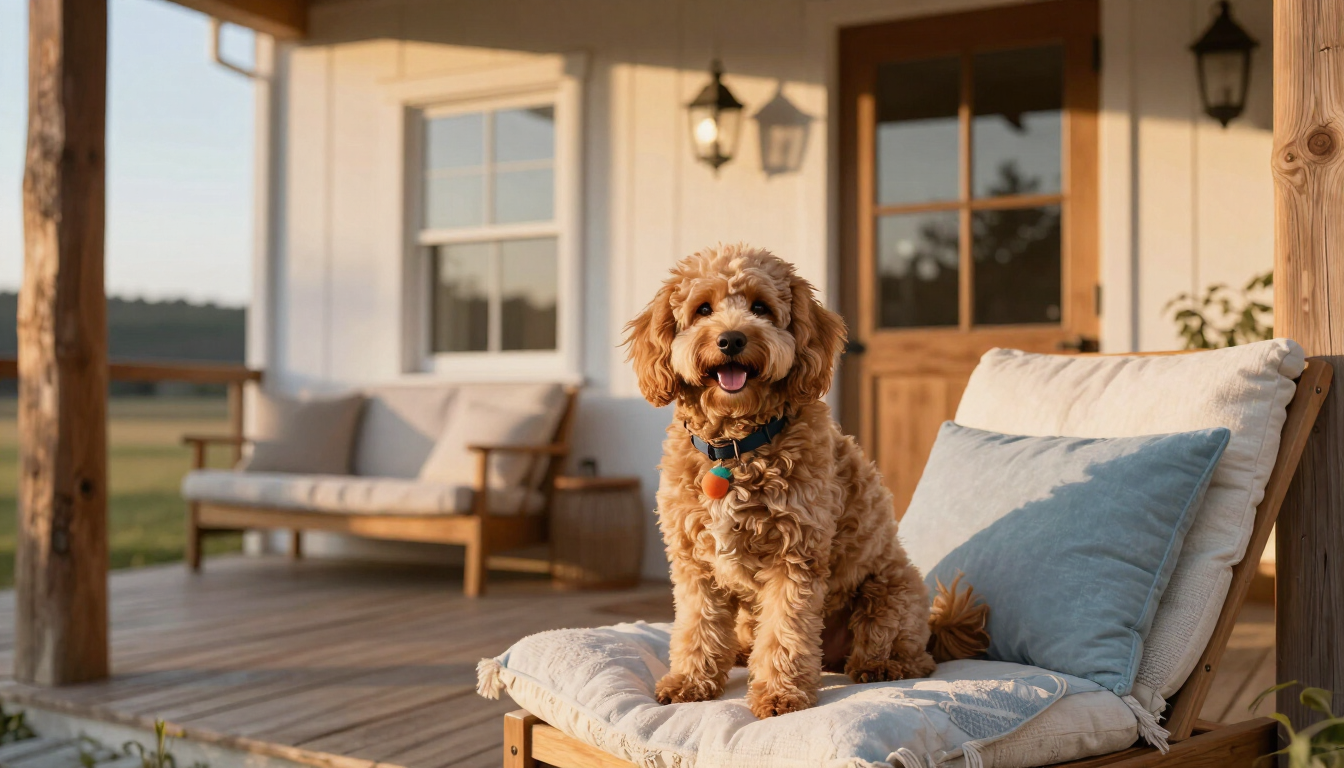
How the Cockapoo came to be
From a happy accident in the 1960s to one of the world's most loved companion dogs — a short history of the breed.
The Cockapoo is a cross between a Cocker Spaniel and a Poodle, and it holds a special place in dog history as one of the first so-called designer breeds. Unlike many modern crosses, the Cockapoo was not created on a whim — it was bred with a clear goal: to combine the gentle, affectionate temperament of the Cocker Spaniel with the sharp intelligence and low-shedding coat of the Poodle.
The first deliberate crossings appeared in the United States in the 1960s. Breeders noticed that the puppies inherited the best of both parents — a merry, people-focused personality and a soft, wavy coat that shed far less than a typical spaniel's. Those early litters quickly won admirers, and demand grew by word of mouth.
By the 1980s and 1990s the Cockapoo had crossed the Atlantic and was thriving in the United Kingdom, where it became a fixture of family homes, country walks, and city flats alike. Today, Cockapoos come in several sizes — toy, miniature, and maxi — depending on whether a toy or miniature Poodle is used in the pairing, and they remain one of the most popular companion dogs in both the US and the UK.
Although not yet recognised as a pedigree breed by major kennel clubs, Cockapoo enthusiasts and breed clubs continue to work toward consistency of type, health testing, and responsible breeding — all while celebrating the very qualities that made the breed a hit in the first place.
- 1960s
The Accidental Beginning
The Cockapoo is widely credited as one of the very first "designer" crossbreeds. In the United States during the 1960s, Cocker Spaniels and Poodles were intentionally crossed for the first time, and the result charmed everyone who met one.
- 1980s–90s
A Breed Gains Its Footing
Word spread about these friendly, low-shedding companions, and Cockapoos grew steadily in popularity across the US and the UK. Breeders began refining type and temperament, and the Cockapoo moved from happy accident to a deliberate, sought-after cross.
- 2000s–Today
A Beloved Family Favorite
Now one of the most popular crossbreeds in the world, the Cockapoo is cherished for combining the sweet, eager-to-please nature of the Cocker Spaniel with the intelligence and curly, low-shedding coat of the Poodle.
Pros and cons of owning a Cockapoo
Cockapoos are delightful — but they are not the right fit for every home. Here is a balanced look at what to expect.
Pros
Wonderfully affectionate
Cockapoos form deep bonds with their people and thrive on companionship, cuddles, and being part of family life.
Highly intelligent
Thanks to their Poodle parentage, they learn quickly and usually take to training, tricks, and routines with ease.
Low-shedding coat
Their curly or wavy coat sheds far less than many breeds, which can make them a friendlier choice for some allergy sufferers.
Great with children
Gentle and playful by nature, well-socialised Cockapoos tend to be patient, merry companions for kids.
Adaptable size
From toy to maxi, there is a Cockapoo size to suit almost any home — flat, house, or countryside.
Friendly with everyone
Most Cockapoos are sociable with strangers and other pets, making them poor guard dogs but wonderful companions.
Cons
High grooming needs
That low-shedding coat mats easily and needs regular brushing and professional grooming every 6–8 weeks.
Needs plenty of exercise
Bright and energetic, they require daily walks and mental stimulation or they can become bored and destructive.
Prone to separation anxiety
Their devotion is a double-edged sword — they do not like being left alone for long stretches and may protest loudly.
Can be vocal
Some Cockapoos are enthusiastic barkers, especially when bored, excited, or left to their own devices.
Potential health issues
Like all breeds, they can inherit conditions such as hip dysplasia, eye disorders, or luxating patellas — choose a responsible breeder.
Not truly hypoallergenic
Low-shedding is not the same as non-allergenic; no dog is completely hypoallergenic, so spend time with one first.
Who should consider owning one
A Cockapoo is a wonderful companion for the right household. Here is a clear-eyed guide to who tends to thrive with the breed — and who might want to think twice.
Families with children
Their patient, merry temperament makes Cockapoos a classic choice for households with respectful kids.
Retirees & couples
Devoted and people-focused, they suit owners who have time to give and want a true companion.
Active owners
If you enjoy daily walks, games, and training, a Cockapoo will happily match your energy.
Keen groomers
Owners who can commit to regular brushing and professional grooming will keep that coat in top condition.
Think twice if…
- People who work long hours away from home — Cockapoos crave company and struggle when left alone for long stretches.
- Anyone seeking a low-maintenance or "wash and forget" dog — the coat and exercise needs are real commitments.
- Households wanting a guard dog — Cockapoos are far more likely to greet an intruder with a wagging tail.
- Severe allergy sufferers — low-shedding is not hypoallergenic; always spend time with a Cockapoo before committing.
New to the Cockapoo life?
Start with our blog — friendly, in-depth guides that make it easy to choose the right products the first time.
Explore the Blog